<?xml version="1.0" encoding="utf-8" ?>
<rdf:RDF xmlns:rdf="http://www.w3.org/1999/02/22-rdf-syntax-ns#" xmlns:dc="http://purl.org/dc/elements/1.1/" xmlns:syn="http://purl.org/rss/1.0/modules/syndication/" xmlns="http://purl.org/rss/1.0/">


<channel rdf:about="https://www.tarragona.cat/patrimoni/museu-historia/visites/arqueorutes/welcome-to-the-archeoroute/RSS">
  <title>Welcome to Traces of the past!</title>
  <link>https://www.tarragona.cat</link>

  <description>


  </description>


            <syn:updatePeriod>daily</syn:updatePeriod>
            <syn:updateFrequency>1</syn:updateFrequency>
            <syn:updateBase>2015-04-09T07:54:17Z</syn:updateBase>
        

  <image rdf:resource="https://www.tarragona.cat/logo.png"/>

  <items>
    <rdf:Seq>
      
        <rdf:li rdf:resource="https://www.tarragona.cat/patrimoni/museu-historia/visites/arqueorutes/places/raco-de-labat"/>
      
      
        <rdf:li rdf:resource="https://www.tarragona.cat/patrimoni/museu-historia/visites/arqueorutes/places/el-galliner-de-lantiquari"/>
      
      
        <rdf:li rdf:resource="https://www.tarragona.cat/patrimoni/museu-historia/visites/arqueorutes/places/antiga-casa-corderet"/>
      
      
        <rdf:li rdf:resource="https://www.tarragona.cat/patrimoni/museu-historia/visites/arqueorutes/places/balcells-house"/>
      
      
        <rdf:li rdf:resource="https://www.tarragona.cat/patrimoni/museu-historia/visites/arqueorutes/places/sports-catedral"/>
      
      
        <rdf:li rdf:resource="https://www.tarragona.cat/patrimoni/museu-historia/visites/arqueorutes/places/archaeological-promenade"/>
      
      
        <rdf:li rdf:resource="https://www.tarragona.cat/patrimoni/museu-historia/visites/arqueorutes/places/seasons"/>
      
      
        <rdf:li rdf:resource="https://www.tarragona.cat/patrimoni/museu-historia/visites/arqueorutes/places/canals-house"/>
      
      
        <rdf:li rdf:resource="https://www.tarragona.cat/patrimoni/museu-historia/visites/arqueorutes/places/el-cau"/>
      
      
        <rdf:li rdf:resource="https://www.tarragona.cat/patrimoni/museu-historia/visites/arqueorutes/places/palau-del-baro"/>
      
      
        <rdf:li rdf:resource="https://www.tarragona.cat/patrimoni/museu-historia/visites/arqueorutes/places/personal"/>
      
      
        <rdf:li rdf:resource="https://www.tarragona.cat/patrimoni/museu-historia/visites/arqueorutes/places/castellarnau-house"/>
      
      
        <rdf:li rdf:resource="https://www.tarragona.cat/patrimoni/museu-historia/visites/arqueorutes/places/la-caixa"/>
      
      
        <rdf:li rdf:resource="https://www.tarragona.cat/patrimoni/museu-historia/visites/arqueorutes/places/old-town-hall"/>
      
      
        <rdf:li rdf:resource="https://www.tarragona.cat/patrimoni/museu-historia/visites/arqueorutes/places/osteria-del-lab"/>
      
    </rdf:Seq>
  </items>

</channel>


  <item rdf:about="https://www.tarragona.cat/patrimoni/museu-historia/visites/arqueorutes/places/raco-de-labat">
    <title>12. Racó de l'Abat</title>
    <link>https://www.tarragona.cat/patrimoni/museu-historia/visites/arqueorutes/places/raco-de-labat</link>
    <description>Restaurant with a prominent medieval-feeling space on the ground floor of the building, which underwent significant renovations during the Early Modern era.</description>
    <content:encoded xmlns:content="http://purl.org/rss/1.0/modules/content/"><![CDATA[<p><img src="https://www.tarragona.cat/fitxers/imatges-arqueoruta/raco-de-labat/entrada-i-pou.jpg/image" title="Entrada i pou" height="267" width="400" alt="" class="image-right" />The interior of this establishment feels like it has remained unchanged since it was first built during the Middle Ages. We are, in fact, in the ancestral home of the Montoliu family, one of the most noteworthy local dynasties in Tarragona, who lived here from the early 17th century until the household moved to Carrer dels Cavallers during the latter years of the 18th century. What a building and what cuisine! In Racó de l'Abat you will find one of the best places in Tarragona to delight in our most traditional cooking. You’ll be always surrounded, of course, by an environment worthy of the best historical films and shows.</p>

<p>The restaurant can be found at Carrer de l’Abat, 2.&nbsp;</p>

<div class="accordion" id="accordionExample">
<div class="card">
<div class="card-header" id="headingOne">
<h2 class="p-0"><a aria-controls="collapseOne" data-target="#collapseOne" aria-expanded="false" href="https://www.tarragona.cat/patrimoni/museu-historia/visites/arqueorutes/places/raco-de-labat/#collapseOne" data-toggle="collapse" class="btn btn-link collapsed d-flex justify-content-between">Do you want to know more? <i class="fas fa-angle-down rotate-icon align-self-start">&nbsp;</i> </a></h2>
</div>

<div aria-labelledby="headingOne" class="collapse" data-parent="#accordionExample" id="collapseOne">
<div class="card-body">
<p>The building that houses the restaurant is located in the heart of the medieval city; an environment created in the open space of the old provincial forum representation square. Inside the restaurant we can find Gothic pointed arches and walls of medieval origin, some of which have been modified during the 16th, 17th, and 18th centuries. The premises seem to have undergone modifications at different points in time during these centuries in order to divide the ground floor of the building into several rooms, probably to use them for independent commercial activities. This division still remains today. The exterior façade, on the other hand, is more modern than the interior would suggest, as it dates from a renovation carried out towards the end of the 18th century or the early 19th century. The façade that we see today is especially relevant for the symmetry of its window and balcony openings and the sgraffito present on the upper floors.</p>
</div>
</div>
</div>
</div>
]]></content:encoded>
    
    <dc:publisher>No publisher</dc:publisher>
    <dc:creator>Laura Serral Poy</dc:creator>
    <dc:rights></dc:rights>
    <dc:date>2022-07-01T06:55:00Z</dc:date>
    <dc:type>Location</dc:type>
  </item>


  <item rdf:about="https://www.tarragona.cat/patrimoni/museu-historia/visites/arqueorutes/places/el-galliner-de-lantiquari">
    <title>20. El Galliner de l'Antiquari</title>
    <link>https://www.tarragona.cat/patrimoni/museu-historia/visites/arqueorutes/places/el-galliner-de-lantiquari</link>
    <description>Restaurant with important archaeological remains of the boundary wall of the provincial forum representation square, located on the ground floor of an Early Modern era palace.</description>
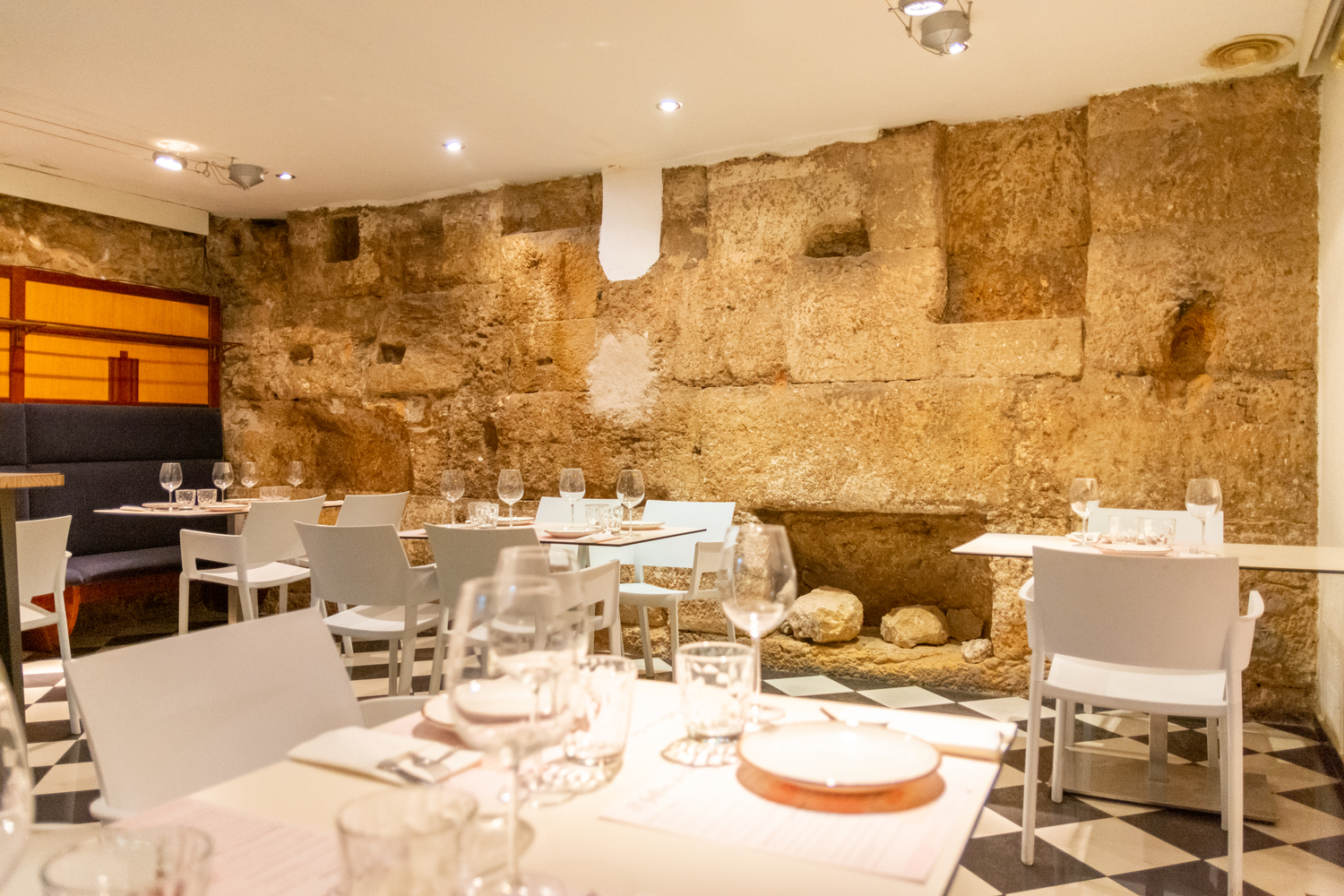
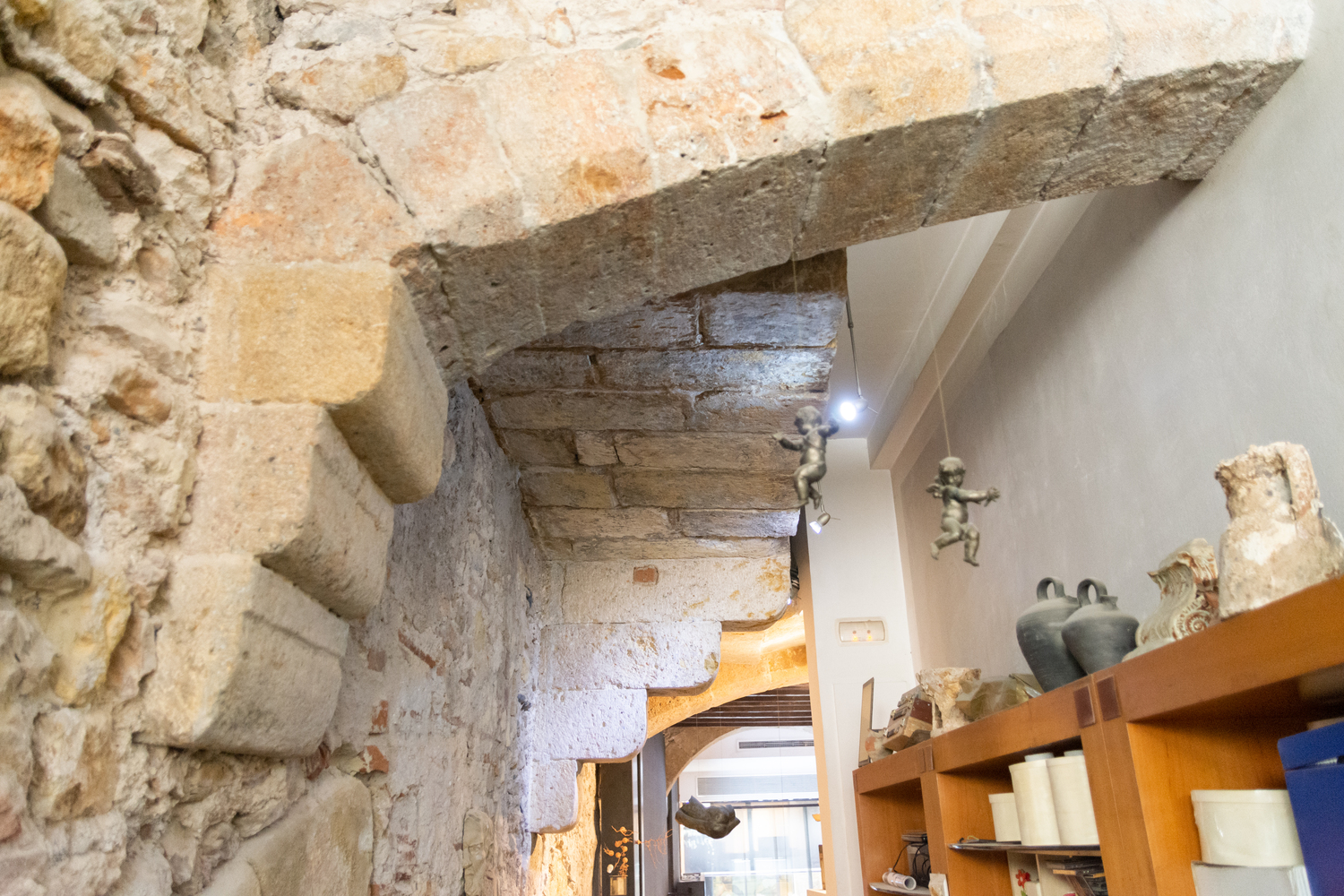
    <content:encoded xmlns:content="http://purl.org/rss/1.0/modules/content/"><![CDATA[<p><img src="https://www.tarragona.cat/fitxers/imatges-arqueoruta/el-galliner-de-lantiquari/mur-de-tancament.jpg/image" title="Mur de tancament" height="267" width="400" alt="" class="image-right" />In the middle of Carrer de Santa Anna, we find the restaurant El Galliner de l'Antiquari. The establishment occupies the ground floor of a palace built upon the Roman structures of the provincial forum representation square, a fact which is evident when setting foot inside the restaurant, where remains from Roman and medieval times welcome us without any hesitation.</p>

<p>In addition to an important Roman heritage legacy and exquisite gastronomy, El Galliner also boasts an eclectic style that combines Roman and medieval architectural elements with Baroque altars, Gothic furniture, and decorative elements from the first half of the 20th century. Eating here is quite a remarkable experience!</p>

<p>The restaurant occupies the ground floor of Carrer de Santa Anna, 3.</p>

<div class="accordion" id="accordionExample">
<div class="card">
<div class="card-header" id="headingOne">
<h2 class="p-0"><a aria-controls="collapseOne" data-target="#collapseOne" aria-expanded="false" href="https://www.tarragona.cat/patrimoni/museu-historia/visites/arqueorutes/places/el-galliner-de-lantiquari/#collapseOne" data-toggle="collapse" class="btn btn-link collapsed d-flex justify-content-between">Do you want to know more? <i class="fas fa-angle-down rotate-icon align-self-start">&nbsp;</i> </a></h2>
</div>

<div aria-labelledby="headingOne" class="collapse" data-parent="#accordionExample" id="collapseOne">
<div class="card-body">
<p>The building where El Galliner de l'Antiquari is located was a noble palace during the Medieval and Early Modern eras. The restaurant shares the palace with another restaurant, El Palau del Baró, which is found on the first floor. Inside the establishment we can see how the internal space is divided in two: a semi-underground ground floor and a modern loft that expands over the usable area of the premises. From the main hall of the restaurant, we can access an attached dining room and a smaller room, which serves as a small dining room and as a corridor.</p>

<p>The recycling of the Roman structures is one of the highlights of the restaurant, especially the eclectic-style wall opposite the entrance, which was made with the technique of opus quadratum and was greatly modified and adapted during medieval times. Also of note are the decorative elements inside the establishment, as among ancient architecture we find Baroque altars and representations of the Virgin Mary, and Gothic-style religious elements, all eclectically combined with other decorative elements dating to the early and mid-20th century.</p>
</div>
</div>
</div>
</div>
]]></content:encoded>
    
    <dc:publisher>No publisher</dc:publisher>
    <dc:creator>Cinta Olivan Rigau</dc:creator>
    <dc:rights></dc:rights>
    <dc:date>2022-07-01T06:55:00Z</dc:date>
    <dc:type>Location</dc:type>
  </item>


  <item rdf:about="https://www.tarragona.cat/patrimoni/museu-historia/visites/arqueorutes/places/antiga-casa-corderet">
    <title>18. Antiga Casa Corderet</title>
    <link>https://www.tarragona.cat/patrimoni/museu-historia/visites/arqueorutes/places/antiga-casa-corderet</link>
    <description>Candle and souvenir shop considered to be the oldest store in Catalonia. It stands out for preserving its original shop windows and furniture.</description>
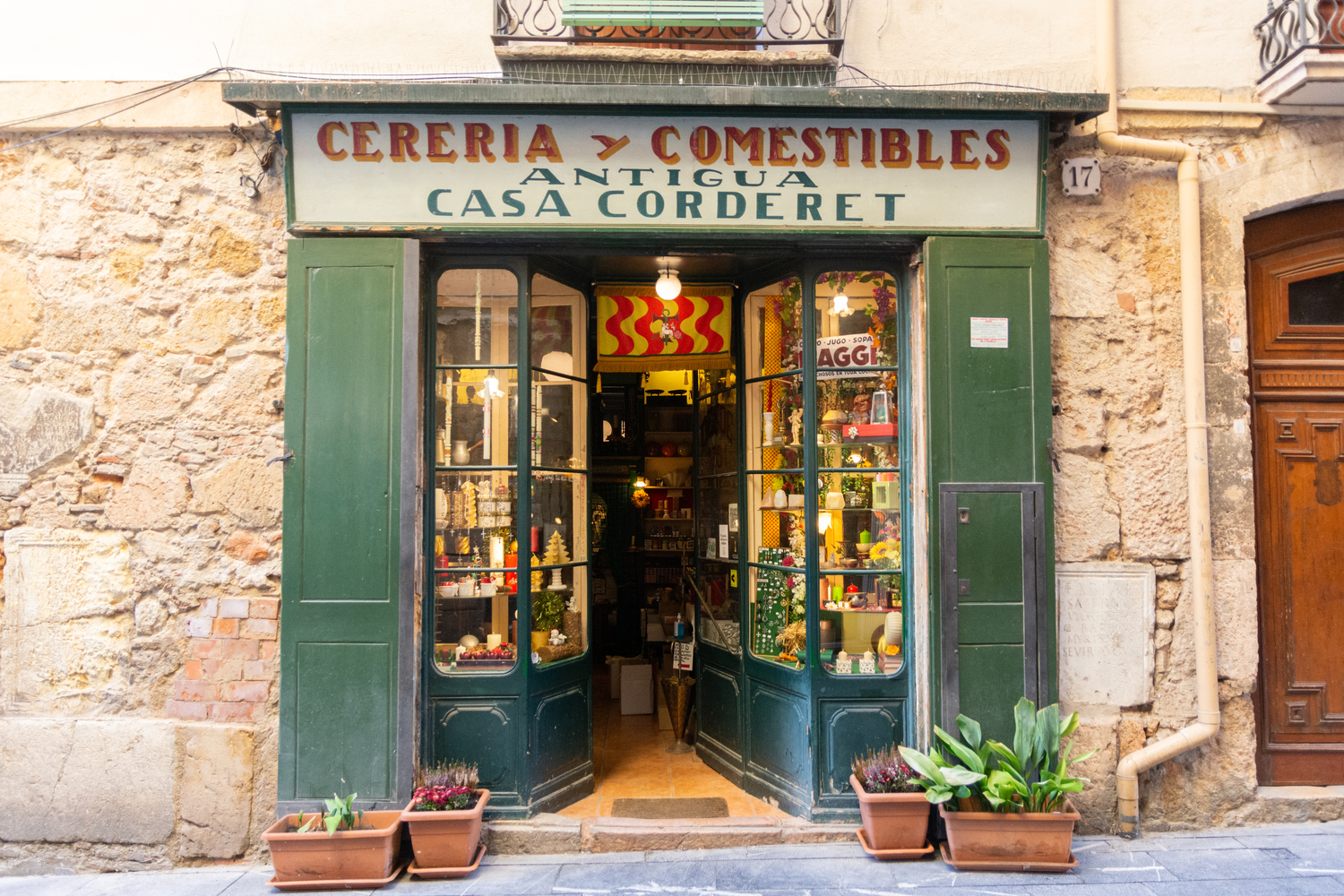
    <content:encoded xmlns:content="http://purl.org/rss/1.0/modules/content/"><![CDATA[<p><img src="https://www.tarragona.cat/fitxers/imatges-arqueoruta/antiga-casa-corderet/facana-i-aparador.jpg/image" title="Façana i aparador" height="267" width="400" alt="" class="image-right" />Antiga Casa Corderet is one of the fifteen oldest shops in Europe. It is known to have been in operation as a candlemaker’s since at least 1751, when its wares would have been essential products. The commercial activity of the store has changed over the years, it was even mainly a grocery store for a while, but the business has remained open and has reached the present day maintaining candlemaking as its main commercial activity. Nowadays, you can buy candles as well as other decorative products in the shop.</p>

<p>What has not changed at all through the centuries is the shop window, Baroque furnishings, and the layout of the shop, which bring us back to the time of its establishment in the mid-18th century. If you want to visit a completely unique shop in Catalonia and contribute to its ongoing survival, you’ll surely find something of interest at the inimitable Antiga Casa Corderet!</p>

<p>Antiga Casa Corderet lies at Carrer de la Merceria, 17.</p>

<div class="accordion" id="accordionExample">
<div class="card">
<div class="card-header" id="headingOne">
<h2 class="p-0"><a aria-controls="collapseOne" data-target="#collapseOne" aria-expanded="false" href="https://www.tarragona.cat/patrimoni/museu-historia/visites/arqueorutes/places/antiga-casa-corderet/#collapseOne" data-toggle="collapse" class="btn btn-link collapsed d-flex justify-content-between">Do you want to know more? <i class="fas fa-angle-down rotate-icon align-self-start">&nbsp;</i> </a></h2>
</div>

<div aria-labelledby="headingOne" class="collapse" data-parent="#accordionExample" id="collapseOne">
<div class="card-body">
<p>Antiga Casa Corderet’s premises are quite small and are divided into two parts: a main room and a backroom. The shop is located in the main room and is unique with its Baroque shelves and showcases that share the style and dark green colour of the exterior shop window, one of the most noteworthy elements of the establishment. Through an old door on the wall opposite the main door, crowned with the year of the shop’s establishment, 1751, you access the backroom, where the old candlemaker’s workshop was located.</p>
</div>
</div>
</div>
</div>
]]></content:encoded>
    
    <dc:publisher>No publisher</dc:publisher>
    <dc:creator>Cinta Olivan Rigau</dc:creator>
    <dc:rights></dc:rights>
    <dc:date>2022-07-01T06:55:00Z</dc:date>
    <dc:type>Location</dc:type>
  </item>


  <item rdf:about="https://www.tarragona.cat/patrimoni/museu-historia/visites/arqueorutes/places/balcells-house">
    <title>11. Balcells House</title>
    <link>https://www.tarragona.cat/patrimoni/museu-historia/visites/arqueorutes/places/balcells-house</link>
    <description>Restaurant that is partly set in a medieval palace, but mostly located in a unique extension to the
building, made during the Early Modern era. It contains remains from medieval and Roman times in the basement of the building.</description>
    <content:encoded xmlns:content="http://purl.org/rss/1.0/modules/content/"><![CDATA[<p><img src="https://www.tarragona.cat/fitxers/imatges-arqueoruta/casa-balcells/antiga-claveguera-o-cisterna.jpg/image" title="Antiga claveguera o cisterna" height="267" width="400" alt="" class="image-right" />Located just to the left of Tarragona’s Cathedral, Casa Balcells (Balcells House) is an imposing building also known as the Chamberlain’s House, since it was the residence of the Chamberlain of the Archbishopric, the second most important position in the Cathedral Chapter. Some of the most important figures of medieval and early modern times have taken lodgings at Casa Balcells, such as Antipope Benedict XIII or Queen Joana Enríquez, mother of King Ferdinand II of Aragon (Ferdinand the Catholic), who died during her stay in the city in 1468.</p>

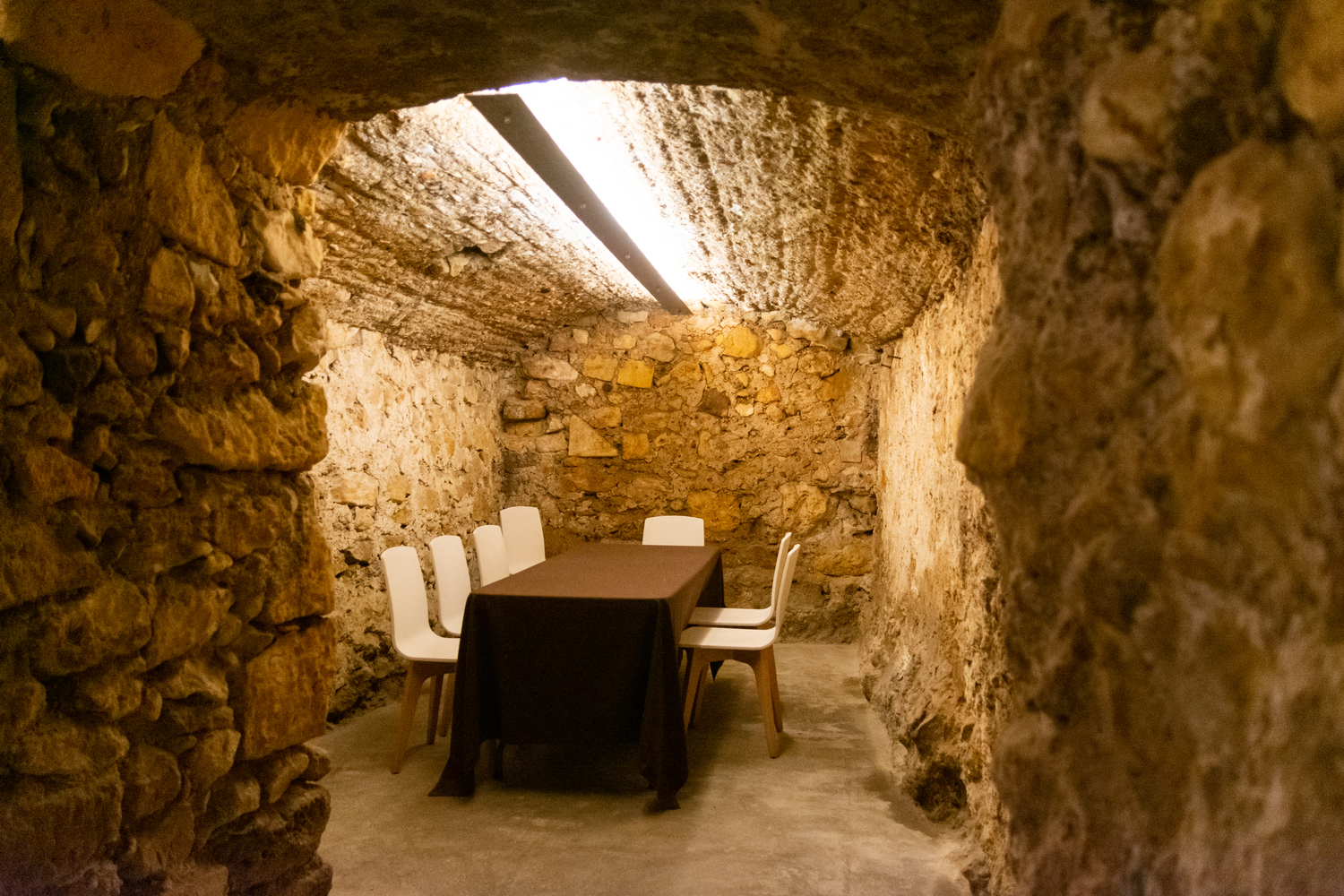
<p>Most of the restaurant is located in a part of the building that was built as an extension to the palace during the 17th century. This does not deprive us, however, of the chance to see inside one of the most iconic buildings of Tarragona, a symbol of the city due to its location and its unique 17th century porches. In the basement of the restaurant, archaeological remains from Roman and medieval times can still be seen. Perhaps one of these walls hides an unknown entrance to the cistern which lies beneath the square!</p>

<p>You can find the restaurant at Pla de la Seu, 5. Menu available at the <a href="https://casabalcells.com/ca/" target="_blank">website</a>.</p>

<div class="accordion" id="accordionExample">
<div class="card">
<div class="card-header" id="headingOne">
<h2 class="p-0"><a aria-controls="collapseOne" data-target="#collapseOne" aria-expanded="false" href="https://www.tarragona.cat/patrimoni/museu-historia/visites/arqueorutes/places/balcells-house/#collapseOne" data-toggle="collapse" class="btn btn-link collapsed d-flex justify-content-between">Do you want to know more? <i class="fas fa-angle-down rotate-icon align-self-start">&nbsp;</i> </a></h2>
</div>

<div aria-labelledby="headingOne" class="collapse" data-parent="#accordionExample" id="collapseOne">
<div class="card-body">
<p>The restaurant and the building where it is located would be right in the middle of the Recinte de Culte — the Roman city’s imperial cult enclosure, or temple. The restaurant is located mainly in the wing of the Chamberlain's palace that was added to the building during the 17th century. The ‘newer’ wing has a plethora of beautiful walls and arches built during the Early Modern era and, in the basement cellar, we find a space where the roof is held by Gothic pointed arches and some of the walls seem to be even older and possibly date as far back as Roman times. These walls could be hiding a closed access to the cistern under the Pla de la Seu or to the Roman sewer which passed underneath the building and which connects with the one beneath Carrer de la Merceria.</p>

<p>Lastly, it is also of note that on the first floor there is a room with pictorial remains that date from the Early Modern era.</p>
</div>
</div>
</div>
</div>
]]></content:encoded>
    
    <dc:publisher>No publisher</dc:publisher>
    <dc:creator>Laura Serral Poy</dc:creator>
    <dc:rights></dc:rights>
    <dc:date>2022-07-01T06:55:00Z</dc:date>
    <dc:type>Location</dc:type>
  </item>


  <item rdf:about="https://www.tarragona.cat/patrimoni/museu-historia/visites/arqueorutes/places/sports-catedral">
    <title>15. Sports Catedral</title>
    <link>https://www.tarragona.cat/patrimoni/museu-historia/visites/arqueorutes/places/sports-catedral</link>
    <description>Sports shop with sections of the monumental staircase that linked the provincial forum representation square and the imperial cult complex in its basement.</description>
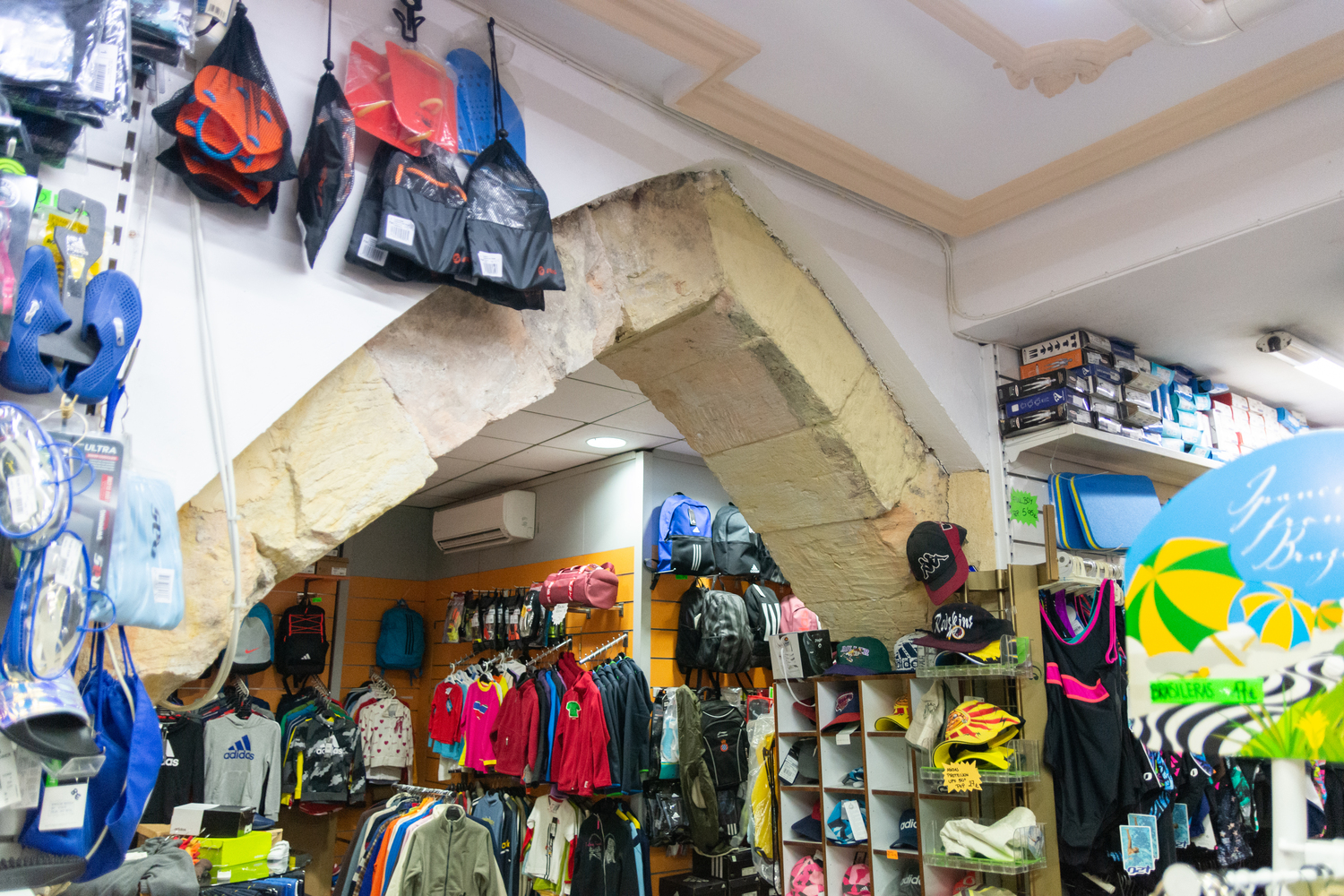
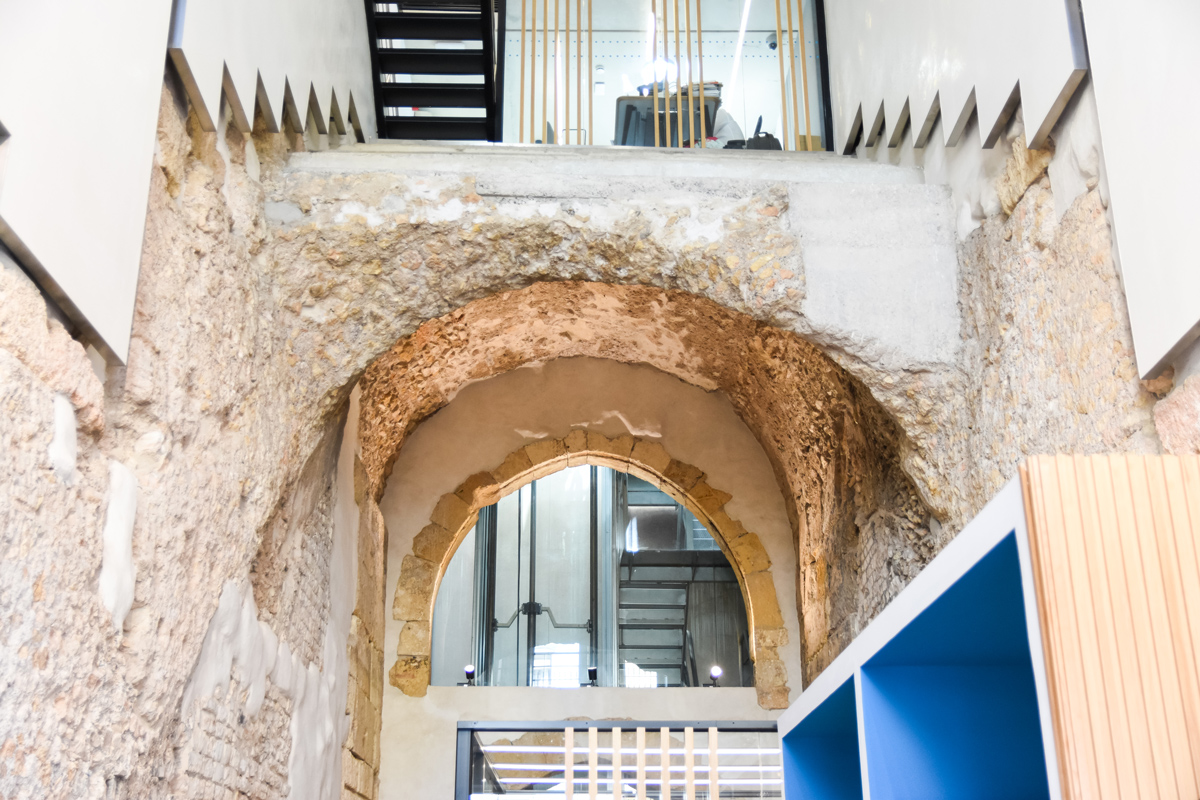
    <content:encoded xmlns:content="http://purl.org/rss/1.0/modules/content/"><![CDATA[<p><img src="https://www.tarragona.cat/fitxers/imatges-arqueoruta/esport-catedral/arc-gotic.jpg/image" title="Arc gòtic" height="267" width="400" alt="" class="image-right" />Generations of tarragonins have bought sports equipment of all kinds at Sports Catedral. The location of the establishment is a privileged one: it is not only right next to the Cathedral, as its name suggests, but it also treasures archaeological remains that are usually the first ones that small children see from up close. As soon as we set foot inside Sports Catedral, we notice a glass floor under our feet. Down below, remains of the monumental Roman staircase connecting the provincial forum representation square and the imperial cult complex proudly endure the passage of time. Towards the rear of the shop, we are greeted by a pointed arch and more glass floors, helping us get a better picture of the enormous scale of the underground remains below the shop.</p>

<p>You can find Esport Catedral at Carrer Major, 42-44.</p>

<div class="accordion" id="accordionExample">
<div class="card">
<div class="card-header" id="headingOne">
<h2 class="p-0"><a aria-controls="collapseOne" data-target="#collapseOne" aria-expanded="false" href="https://www.tarragona.cat/patrimoni/museu-historia/visites/arqueorutes/places/sports-catedral/#collapseOne" data-toggle="collapse" class="btn btn-link collapsed d-flex justify-content-between">Do you want to know more? <i class="fas fa-angle-down rotate-icon align-self-start">&nbsp;</i> </a></h2>
</div>

<div aria-labelledby="headingOne" class="collapse" data-parent="#accordionExample" id="collapseOne">
<div class="card-body">
<p>The building itself dates from the 19th century, but inside we find older remains that speak of a far longer period of occupation. In the middle of the premises and acting as an archway between two rooms, there is a Gothic pointed arch of medieval origin that is in very good condition. The great attraction of the establishment, however, are the archaeological remains that are preserved below the surface, which can be seen through glass floors at the entrance of the store and in the area around the fitting rooms. The remains below are part of a large monumental staircase that connected the provincial forum representation square and the imperial cult complex, two of the three main terraces into which the city was divided in Roman times.</p>
</div>
</div>
</div>
</div>
]]></content:encoded>
    
    <dc:publisher>No publisher</dc:publisher>
    <dc:creator>Maria Jose Gomez Arroyo</dc:creator>
    <dc:rights></dc:rights>
    <dc:date>2022-07-01T06:55:00Z</dc:date>
    <dc:type>Location</dc:type>
  </item>


  <item rdf:about="https://www.tarragona.cat/patrimoni/museu-historia/visites/arqueorutes/places/archaeological-promenade">
    <title>1. Archaeological Promenade</title>
    <link>https://www.tarragona.cat/patrimoni/museu-historia/visites/arqueorutes/places/archaeological-promenade</link>
    <description>Promenade along the Roman wall that runs on top of the fortifications of the modern period. It contains a museum space dedicated to the city at the turn of the 19th century.</description>
    <content:encoded xmlns:content="http://purl.org/rss/1.0/modules/content/"><![CDATA[<p><img src="https://www.tarragona.cat/fitxers/imatges-arqueoruta/passeig-arqueologic/detall-de-la-muralla/image_preview" title="Detall de la muralla" height="266" width="400" alt="" class="image-right" />Tarragona’s Archaeological Promenade is one of the best places in Catalonia to observe how much defensive strategies have transformed over the centuries. The pathway guides us along the Roman walls that still enclose Tarragona’s old town. The city walls have the honour of being both the oldest and the largest Roman monument in the Iberian Peninsula. The path beneath our feet, however, is built upon an Early Modern era expansion of the city’s defensive system known as the falsa braga (faussebraye).</p>

<p>During your walk you’ll have the chance to approach and observe a Roman wall that is more than two thousand years old, admire the views of the city and the Tarragona region from above, visit the small museum set inside the early modern defensive system, and enjoy the Roman and medieval architecture that sprouts from the city wall in the shape of constructions such as the Torre de l’Arquebisbe (Archbishop’s Tower) or the Torre de Minerva (Tower of Minerva).&nbsp;</p>

<p>The access to the Archaeological Promenade is located at Via de l’Imperi Romà, 13b.</p>

<div class="accordion" id="accordionExample">
<div class="card">
<div class="card-header" id="headingOne">
<h2 class="p-0"><a aria-controls="collapseOne" data-target="#collapseOne" aria-expanded="false" href="https://www.tarragona.cat/patrimoni/museu-historia/visites/arqueorutes/places/archaeological-promenade/#collapseOne" data-toggle="collapse" class="btn btn-link collapsed d-flex justify-content-between">Do you want to know more? <i class="fas fa-angle-down rotate-icon align-self-start">&nbsp;</i> </a></h2>
</div>

<div aria-labelledby="headingOne" class="collapse" data-parent="#accordionExample" id="collapseOne">
<div class="card-body">
<p>This pathway follows the Roman wall along its north-western section. The path visitors tread on is built upon the early modern fortifications and bastions that were annexed to the city walls and acquired their modern configuration in the aftermath of the Napoleonic wars.</p>

<p>The oldest sections of the Roman wall itself date from around the latter part of the 3rd century BCE. Along the wall, one will easily notice that two distinct architectural styles were used here by the ancient Romans: the base of the wall is made out of large cyclopean boulders, while the rest is made out of squared stone blocks installed without the use of mortar. In addition to the original towers, more were added during the Medieval era, when the older towers were also renovated, and new gates constructed.</p>

<p>One of the most notable elements that can be seen from the Archaeological Promenade is the Torre de Minerva (Tower of Minerva), named after a relief of the goddess that was discovered in the tower. The small museum nested inside one of the early modern bastions is also of particular interest.</p>
</div>
</div>
</div>
</div>
]]></content:encoded>
    
    <dc:publisher>No publisher</dc:publisher>
    <dc:creator>Jorge Acebo Canedo</dc:creator>
    <dc:rights></dc:rights>
    <dc:date>2021-12-02T11:40:00Z</dc:date>
    <dc:type>Location</dc:type>
  </item>


  <item rdf:about="https://www.tarragona.cat/patrimoni/museu-historia/visites/arqueorutes/places/seasons">
    <title>10. Seasons</title>
    <link>https://www.tarragona.cat/patrimoni/museu-historia/visites/arqueorutes/places/seasons</link>
    <description>Restaurant with a very well-preserved section of the gallery linking the provincial forum representation square and the imperial cult complex. </description>
    <content:encoded xmlns:content="http://purl.org/rss/1.0/modules/content/"><![CDATA[<p><img src="https://www.tarragona.cat/fitxers/imatges-arqueoruta/seasons/criptoportic-i.jpg/image" title="Criptopòrtic I" height="267" width="400" alt="" class="image-right" />Plaça de les Cols (Cabbage Square) is one of the most recognised emblems of Tarragona due to its location and architectural composition. The square hides, however, a few secrets. One of them can be seen inside the restaurant Seasons. The space occupied by the restaurant stands out at first sight due to its forming a cosy corner on the medieval square. However, what stands out even more is only revealed when we enter inside the building. The dining room of the restaurant is an exceptional place: a perfectly preserved vaulted section of the Roman provincial forum representation square. What used to be a tranquil corner in a very busy place is now a perfect stop to sit and rest while enjoying a hearty meal.</p>

<p>Whether inside amongst the Roman remains or outside in the medieval square, Seasons offers the traveller an unforgettable experience.</p>

<p>You can find the restaurant at number 2, Plaça de Santiago Rossinyol (popularly known as Plaça de les Cols). Menu available at&nbsp;<a href="https://www.restaurantseasons.cat/" target="_blank">https://www.restaurantseasons.cat/</a></p>

<div class="accordion" id="accordionExample">
<div class="card">
<div class="card-header" id="headingOne">
<h2 class="p-0"><a aria-controls="collapseOne" data-target="#collapseOne" aria-expanded="false" href="https://www.tarragona.cat/patrimoni/museu-historia/visites/arqueorutes/places/seasons/#collapseOne" data-toggle="collapse" class="btn btn-link collapsed d-flex justify-content-between">Do you know more? <i class="fas fa-angle-down rotate-icon align-self-start">&nbsp;</i> </a></h2>
</div>

<div aria-labelledby="headingOne" class="collapse" data-parent="#accordionExample" id="collapseOne">
<div class="card-body">
<p>The building contains a section of the closing wall of the provincial forum representation square, made with the technique of opus quadratum, and a singular gallery, specifically a cryptoporticus, with walls and a stone vaulted roof belonging to the same building. The room where these remains can be seen is small in size, but the remains make up for their reduced dimensions with their unique condition and splendour.</p>
</div>
</div>
</div>
</div>
]]></content:encoded>
    
    <dc:publisher>No publisher</dc:publisher>
    <dc:creator>Jordi Surinach Perdigo</dc:creator>
    <dc:rights></dc:rights>
    <dc:date>2022-07-01T06:55:00Z</dc:date>
    <dc:type>Location</dc:type>
  </item>


  <item rdf:about="https://www.tarragona.cat/patrimoni/museu-historia/visites/arqueorutes/places/canals-house">
    <title>22. Canals House</title>
    <link>https://www.tarragona.cat/patrimoni/museu-historia/visites/arqueorutes/places/canals-house</link>
    <description>Noble house from the beginning of the 19 th century, turned into a museum. It was built taking advantage of the Roman wall.</description>
    <content:encoded xmlns:content="http://purl.org/rss/1.0/modules/content/"><![CDATA[<p><img src="https://www.tarragona.cat/fitxers/imatges-arqueoruta/casa-canals/passadis.jpg/image" title="Passadís" height="267" width="400" alt="" class="image-right" />The second crown jewel of the History Museum of Tarragona is Casa Canals (Canals House), a 19th century house-museum that is especially remarkable for being preserved in almost the same state as it was near the end of the century of its construction. In this privileged place, the furniture and the distribution of the rooms are all original, which allows us to take a tour right inside the home of one of the most outstanding families of 19th century Tarragona just as it was when they still lived there.</p>

<p>Casa Canals was built on top of older houses from the Medieval and Modern periods, but even these medieval homes made use of older structures themselves, as they were built using the Roman city walls as a foundation. This is especially clear on the ground floor, but is also noticeable on the main floor, where the windows and balconies we see from the inside were actually carved out of the original Roman wall.</p>

<p>In 1802, King Charles IV took lodgings here, along with the royal family, during his famous visit to Tarragona. Dare to walk where the royals did and enjoy the magnificent views they would have admired! In addition, at Casa Canals you will also find a renovated space dedicated to modern art exhibitions, which are periodically cycled.</p>

<p>Casa Canals presides over Carrer d'en Granada, from number 11.</p>

<div class="accordion" id="accordionExample">
<div class="card">
<div class="card-header" id="headingOne">
<h2 class="p-0"><a aria-controls="collapseOne" data-target="#collapseOne" aria-expanded="false" href="https://www.tarragona.cat/patrimoni/museu-historia/visites/arqueorutes/places/canals-house/#collapseOne" data-toggle="collapse" class="btn btn-link collapsed d-flex justify-content-between">Do you want to know more? <i class="fas fa-angle-down rotate-icon align-self-start">&nbsp;</i> </a></h2>
</div>

<div aria-labelledby="headingOne" class="collapse" data-parent="#accordionExample" id="collapseOne">
<div class="card-body">
<p>The restoration works of the Casa Canals carried out in the first decade of the 2000s brought out the remains of the original Medieval and Early Modern era buildings that still persist under the modern palace. The remains tell us that an old noble house was already present where the palace is now located, which speaks of the high desirability and social prestige of the area, a fact that is also confirmed by contemporary documents. Some remains of these are still preserved on the ground floor of the house, and under the garden patio of the main floor.</p>

<p>In addition, one of the highlights of Casa Canals is the use of a long stretch of the Roman city wall as the western wall of the building, and the fact that there are openings to the wall used as windows and balconies on the main floor.</p>

<p>Everything indicates that the current building dates from the very late 18th century and that it was built as a new manor house for the Canals family, a lineage of merchants and nobles that until then had their residence on Carrer de les Cuirateries.</p>

<p>The main attraction of the house, though, is the planta noble — the main or ‘noble’ floor — with its large halls and chambers, all of which preserve all the furniture found in the house at the end of the 19th century. Other highlights include the ballroom, the grand staircase, and the garden courtyard. The third floor, which previously housed the servants' quarters, has been completely renovated and now hosts the center for contemporary arts: Mèdol.</p>
</div>
</div>
</div>
</div>
]]></content:encoded>
    
    <dc:publisher>No publisher</dc:publisher>
    <dc:creator>Cinta Olivan Rigau</dc:creator>
    <dc:rights></dc:rights>
    <dc:date>2022-07-01T06:55:00Z</dc:date>
    <dc:type>Location</dc:type>
  </item>


  <item rdf:about="https://www.tarragona.cat/patrimoni/museu-historia/visites/arqueorutes/places/el-cau">
    <title>17. El Cau</title>
    <link>https://www.tarragona.cat/patrimoni/museu-historia/visites/arqueorutes/places/el-cau</link>
    <description>Nightclub located inside two of the vaults under the gallery, or pulvinar, of the Circus.</description>
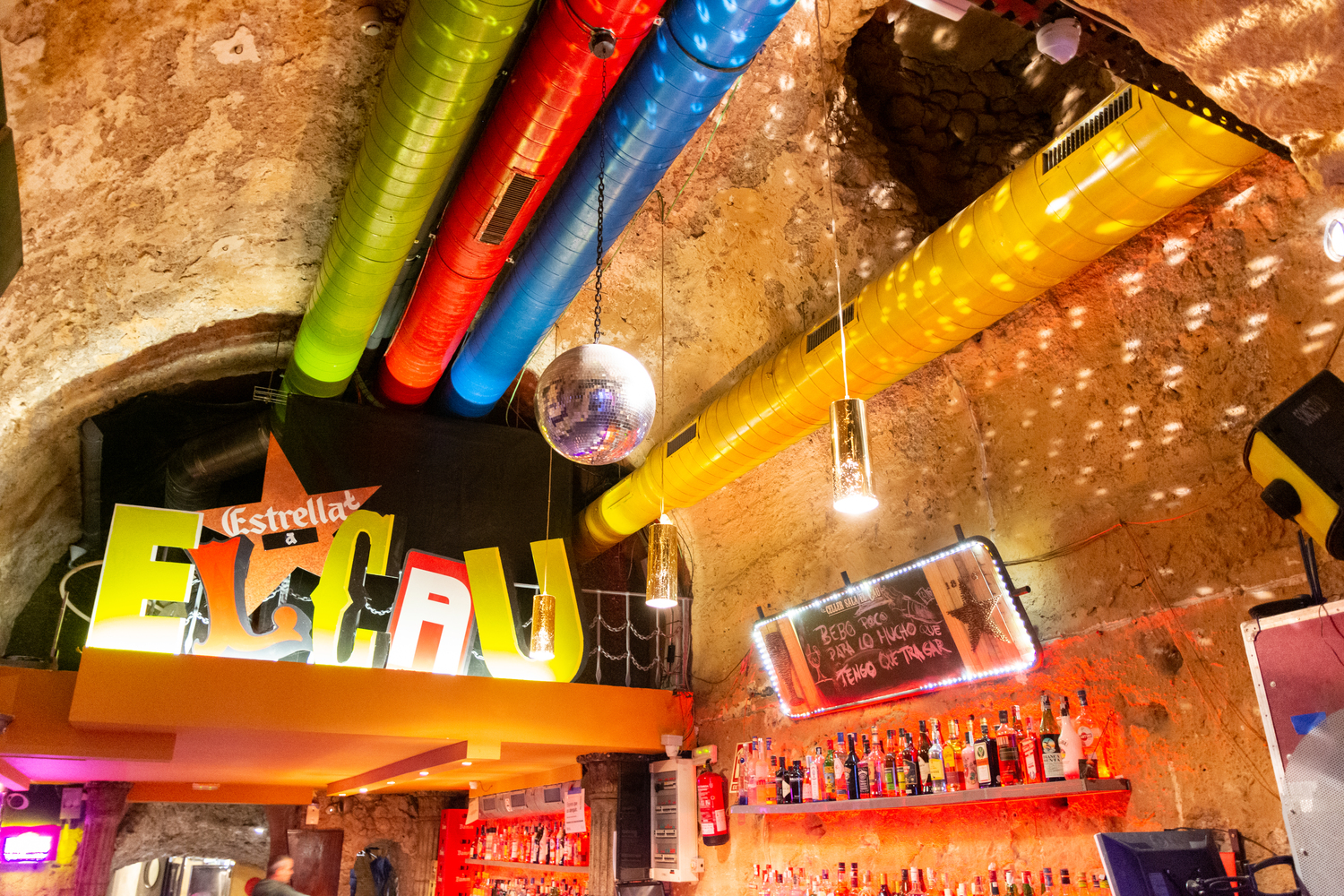
    <content:encoded xmlns:content="http://purl.org/rss/1.0/modules/content/"><![CDATA[<p><img src="https://www.tarragona.cat/fitxers/imatges-arqueoruta/el-cau/detall-volta-oest.jpg/image" title="Detall volta oest" height="267" width="400" alt="" class="image-right" />Life wants joy! The underground pub and disco El Cau manages to return the party atmosphere to the Roman Circus as it was lived almost 2,000 years ago. Located beneath Baixada de la Misericòrdia, El Cau offers the unique experience of partying within the ancient vaults of the Circus.</p>

<p>You can find the disco at Carrer del Trinquet Vell, 2.</p>

<div class="accordion" id="accordionExample">
<div class="card">
<div class="card-header" id="headingOne">
<h2 class="p-0"><a aria-controls="collapseOne" data-target="#collapseOne" aria-expanded="false" href="https://www.tarragona.cat/patrimoni/museu-historia/visites/arqueorutes/places/el-cau/#collapseOne" data-toggle="collapse" class="btn btn-link collapsed d-flex justify-content-between">Do you want to know more? <i class="fas fa-angle-down rotate-icon align-self-start">&nbsp;</i> </a></h2>
</div>

<div aria-labelledby="headingOne" class="collapse" data-parent="#accordionExample" id="collapseOne">
<div class="card-body">
<p>El Cau is located under one of the most emblematic streets of the city, Baixada de la Misericòrdia, a 19th century street that connects the terrace of the Circus with the one occupied by the provincial forum representation square. Both spaces today have been almost completely hidden by and covered under the medieval and early modern development of the Part Alta (Tarragona’s Old Town). Like many buildings around it, the Baixada uses several vaults of the old Circus as its foundations. It is two of these vaults which host El Cau. The vaults themselves are made of a combination of the techniques of opus&nbsp; quadratum and opus caementicium. The Roman remains have been modified over the centuries in order to adapt them to the needs of each era. The Roman origin of the structure, however, can still be clearly observed. Both vaults are joined by a small passage probably constructed during the Early Modern era.</p>
</div>
</div>
</div>
</div>
]]></content:encoded>
    
    <dc:publisher>No publisher</dc:publisher>
    <dc:creator>Maria Jose Gomez Arroyo</dc:creator>
    <dc:rights></dc:rights>
    <dc:date>2022-07-01T06:55:00Z</dc:date>
    <dc:type>Location</dc:type>
  </item>


  <item rdf:about="https://www.tarragona.cat/patrimoni/museu-historia/visites/arqueorutes/places/palau-del-baro">
    <title>21. Palau del Baró</title>
    <link>https://www.tarragona.cat/patrimoni/museu-historia/visites/arqueorutes/places/palau-del-baro</link>
    <description>Restaurant located on the main floor of an Early Modern era palace.</description>
    <content:encoded xmlns:content="http://purl.org/rss/1.0/modules/content/"><![CDATA[<p><img src="https://www.tarragona.cat/fitxers/imatges-arqueoruta/palau-del-baro/salonet-maria-fortuny.jpg/image" title="Salonet Marià Fortuny" height="267" width="400" alt="" class="image-right" /></p>

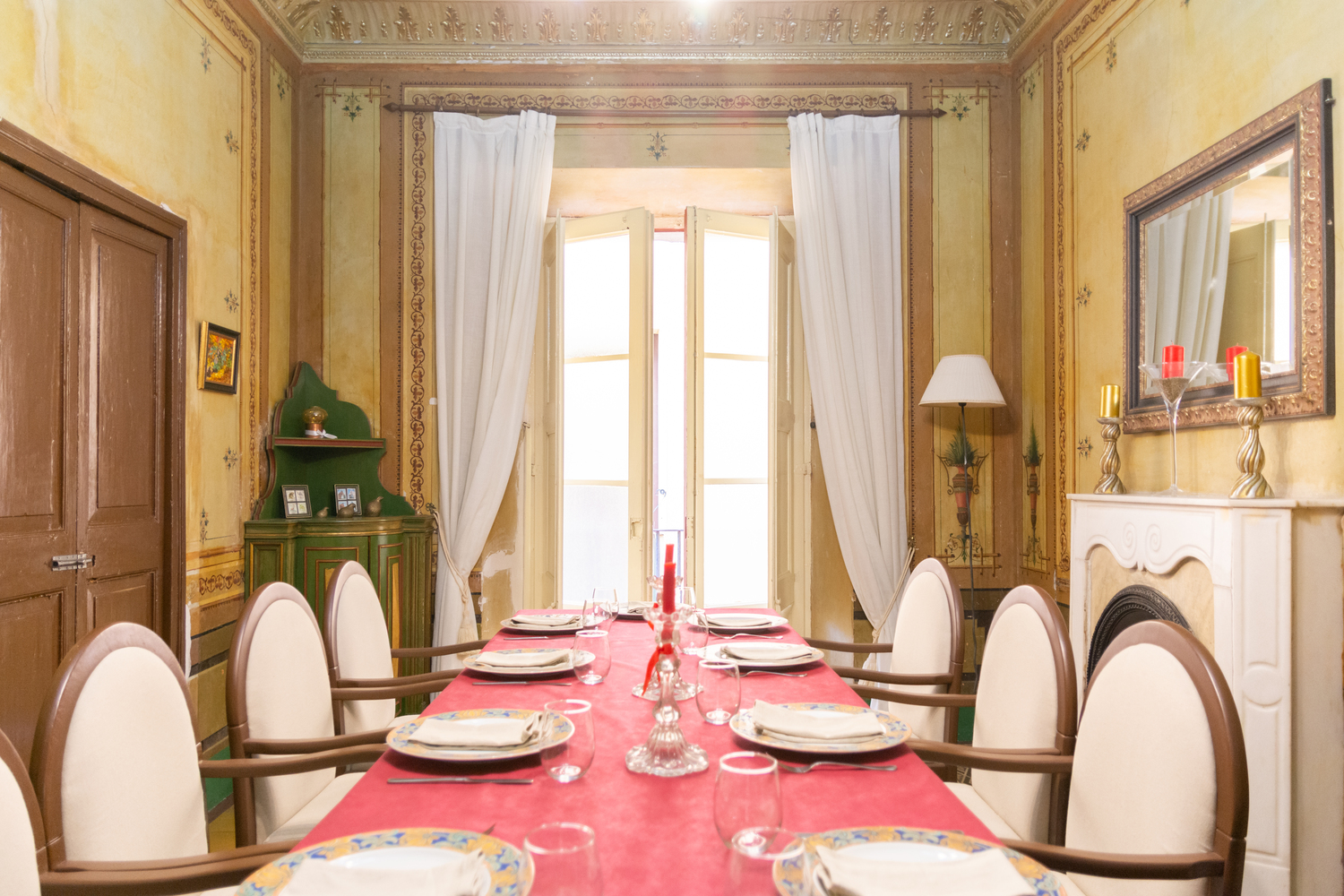
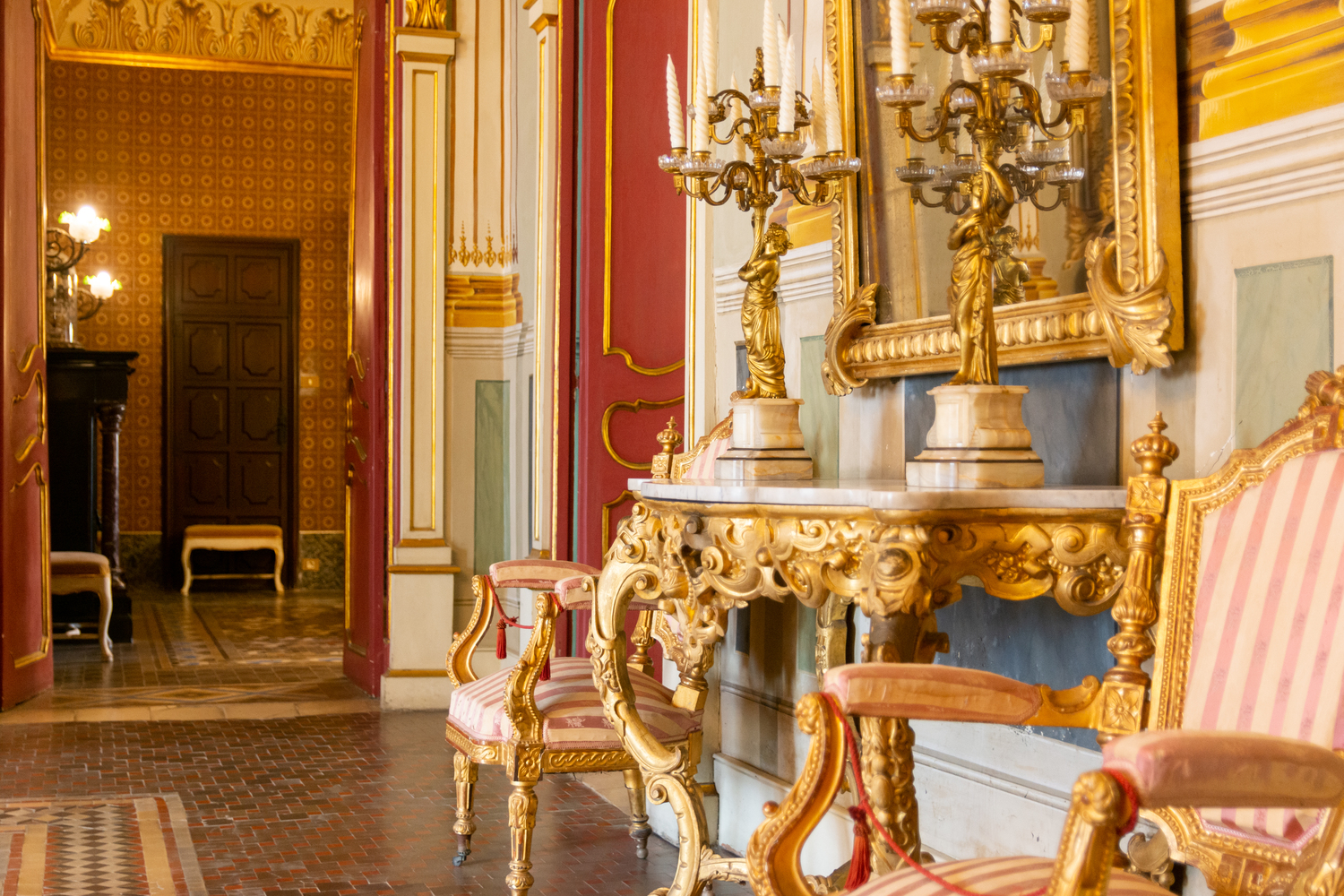
<p>The old palace of the Barons de les Quatre Torres (Barons of the Four Towers) — the Morenes family — is sadly not one of the two house-museums managed by the History Museum of Tarragona. Nevertheless, the palace can easily compete in architectural value, and is an opportunity to observe this kind of building still being used and lived in within the city. Palau del Baró is a very special restaurant: it is located on the main floor of the house and preserves much of the original pictorial decoration and the layout that the building had when it was a private residence during the Early Modern era.</p>

<p>The location of the building is remarkable in itself: Carrer de Santa Anna is not only one of the oldest and most historically important streets in the city, but it also has the peculiarity of following the axis of the western wall of the provincial forum representation square. All the houses on the eastern side of the street, including the palace, take advantage of this millenary building and use it as a wall. In addition, the building benefits from a second façade that directly overlooks Tarragona’s old Jewish Quarter (El Call).</p>

<p>If you want to eat in what were once the noble rooms or the courtyard of one of the most important families in Spain, then you can’t miss the experience of Palau del Baró.</p>

<p>You can find the restaurant at Carrer de Santa Anna, 3. Menu available at: <a href="https://www.palaudelbaro.es/" target="_blank">https://www.palaudelbaro.es/</a></p>

<div class="accordion" id="accordionExample">
<div class="card">
<div class="card-header" id="headingOne">
<h2 class="p-0"><a aria-controls="collapseOne" data-target="#collapseOne" aria-expanded="false" href="https://www.tarragona.cat/patrimoni/museu-historia/visites/arqueorutes/places/palau-del-baro/#collapseOne" data-toggle="collapse" class="btn btn-link collapsed d-flex justify-content-between">Do you want to know more? <i class="fas fa-angle-down rotate-icon align-self-start">&nbsp;</i> </a></h2>
</div>

<div aria-labelledby="headingOne" class="collapse" data-parent="#accordionExample" id="collapseOne">
<div class="card-body">
<p>The restaurant is located on the main floor of an Early Modern era palace overlooking Carrer de Santa Anna and the old Jewish Quarter of the city (El Call). Access is granted directly from the street through a closed noble staircase, which clearly contrasts with the monumental staircase courtyards that we observe in most other stately homes in the city. The building itself was built on the eastern enclosure wall of the Plaça de la Representació, part of the Provincial Forum, and preserves the original layout and pictorial decorations as they were during the Early Modern era. Some of the highlights include a room painted by famous Reus-born painter Marià Fortuny and a Neoclassical-style private chapel. The restaurant shares the building with El Galliner de l'Antiquari, another restaurant, which is located on the ground floor.</p>

<p>The home belonged to the Morenes family: originally a lineage of apothecaries from El Vendrell who became rich and were ennobled during the 18th century.</p>
</div>
</div>
</div>
</div>
]]></content:encoded>
    
    <dc:publisher>No publisher</dc:publisher>
    <dc:creator>Cinta Olivan Rigau</dc:creator>
    <dc:rights></dc:rights>
    <dc:date>2022-07-01T06:55:00Z</dc:date>
    <dc:type>Location</dc:type>
  </item>


  <item rdf:about="https://www.tarragona.cat/patrimoni/museu-historia/visites/arqueorutes/places/personal">
    <title>14. Personal</title>
    <link>https://www.tarragona.cat/patrimoni/museu-historia/visites/arqueorutes/places/personal</link>
    <description>Jeweller’s shop located in an establishment where the medieval origins and Gothic elements of the
space remain clearly visible.</description>
    <content:encoded xmlns:content="http://purl.org/rss/1.0/modules/content/"><![CDATA[<p><img src="https://www.tarragona.cat/fitxers/imatges-arqueoruta/joiera-personal/balconada.jpg/image" title="Balconada" height="267" width="400" alt="" class="image-right" />Personal is proof that tastefully combining modernity and tradition is not only possible, but also a safe bet for business. Upon entering the establishment we are welcomed by an exhibition of jewellery of exquisite designs, presented in perfect harmony with the building’s medieval and modern legacy. The owner wanted to give the building’s architectural heritage a central role in their business and make it an active part of the design and presentation of their products, and it’s clear that they have been successful in this endeavour. Don’t miss the opportunity to visit Personal to admire their designs and their unique setting.</p>

<p>The store occupies the ground floor of Carrer Major, 32.</p>

<div class="accordion" id="accordionExample">
<div class="card">
<div class="card-header" id="headingOne">
<h2 class="p-0"><a aria-controls="collapseOne" data-target="#collapseOne" aria-expanded="false" href="https://www.tarragona.cat/patrimoni/museu-historia/visites/arqueorutes/places/personal/#collapseOne" data-toggle="collapse" class="btn btn-link collapsed d-flex justify-content-between">Do you want to know more? <i class="fas fa-angle-down rotate-icon align-self-start">&nbsp;</i> </a></h2>
</div>

<div aria-labelledby="headingOne" class="collapse" data-parent="#accordionExample" id="collapseOne">
<div class="card-body">
<p>Personal’s premises consist of two adjacent spaces within the same building, which were formerly independent. The space through which we enter the building greets us with two lowered pointed arches: one on the right-hand wall and one at the other end of the shop. The latter gives way to the shop’s storeroom, where you can see the structures of an old courtyard, now built upon. Specifically, a medieval low balcony with carved coats of arms stands out in the old courtyard space. The roof of the main part of the shop is also of interest, as it features a unique wooden coffered ceiling held by a semicircular arch in the centre of the room.</p>

<p>The second space in the shop is adorned with segmental arches and a Catalan vaulted ceiling. The room is closed on its eastern end with an 18th century flat archway. The dividing wall between the two main spaces of the shop seems to date back to the late Middle Ages or Early Modern era.</p>
</div>
</div>
</div>
</div>
]]></content:encoded>
    
    <dc:publisher>No publisher</dc:publisher>
    <dc:creator>Laura Serral Poy</dc:creator>
    <dc:rights></dc:rights>
    <dc:date>2022-07-01T06:55:00Z</dc:date>
    <dc:type>Location</dc:type>
  </item>


  <item rdf:about="https://www.tarragona.cat/patrimoni/museu-historia/visites/arqueorutes/places/castellarnau-house">
    <title>4. Castellarnau House</title>
    <link>https://www.tarragona.cat/patrimoni/museu-historia/visites/arqueorutes/places/castellarnau-house</link>
    <description>Noble house from the mid-18th century, now turned into a museum. It features remains of earlier medieval buildings on its ground floor, and sections of the boundary wall of the provincial forum representation square.</description>
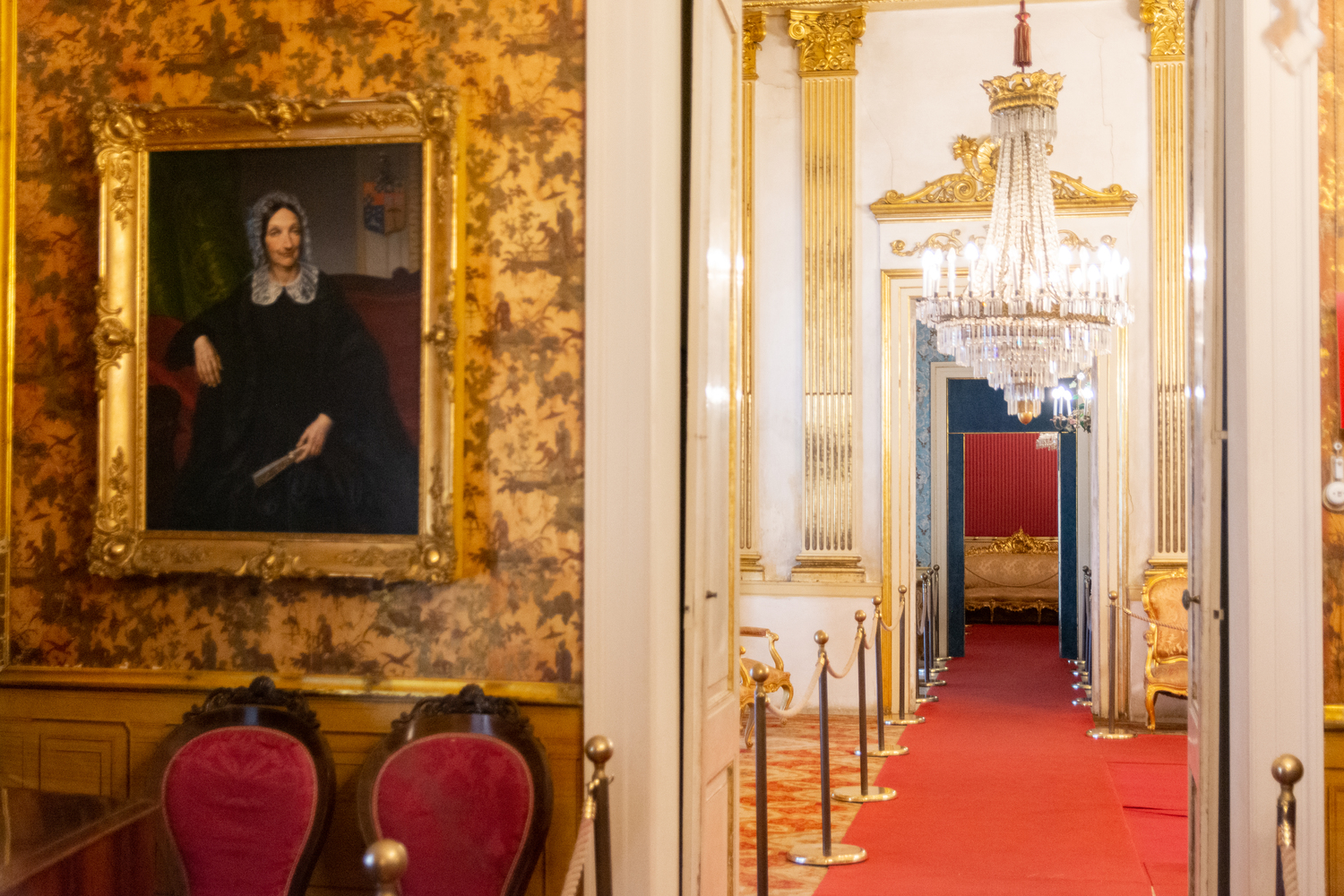
    <content:encoded xmlns:content="http://purl.org/rss/1.0/modules/content/"><![CDATA[<p><img src="https://www.tarragona.cat/fitxers/imatges-arqueoruta/casa-castellarnau/detall-mobles-salo.jpg/image" title="Detall mobles saló" height="267" width="400" alt="" class="image-right" />Casa Castellarnau (Castellarnau House) is one of the heritage spaces run by the History Museum of Tarragona and it also serves as the museum’s headquarters, along with those of the city’s Heritage Department. The Castellarnau family home might be more accurately described as a palace than as a house. If you come inside, you’ll be able to experience the private and public residence of a well-to-do noble family from the latter part of the 18th century through the singular elements of their former home: the murals and frescoes, the old kitchen, the grand stairway, the inner courtyard, the ballroom, the parlours, and the bedrooms. In this well-preserved stately home, you’ll feel part of the daily life of the city’s high society.&nbsp;&nbsp;</p>

<p>The house’s location, though, tells us of a time long before the Castellarnau family ever set foot in Tarragona. In the basements of the house there are remains of past eras that still survive to this day: a section of the southern wall of the Plaça de la Representació, a very well-preserved section of the 12th century city walls, and quite a few traces of the medieval houses that were torn down to create the magnificent palace we see today.</p>

<p>These medieval houses — noble residences in their own right, for a time — had their moment of splendour when they housed Emperor Charles V and his court when the monarch visited Tarragona in 1542.</p>

<p>Casa Castellarnau is located at Carrer dels Cavallers, 14.</p>

<div class="accordion" id="accordionExample">
<div class="card">
<div class="card-header" id="headingOne">
<h2 class="p-0"><a aria-controls="collapseOne" data-target="#collapseOne" aria-expanded="false" href="https://www.tarragona.cat/patrimoni/museu-historia/visites/arqueorutes/places/castellarnau-house/#collapseOne" data-toggle="collapse" class="btn btn-link collapsed d-flex justify-content-between">Do you want to know more? <i class="fas fa-angle-down rotate-icon align-self-start">&nbsp;</i> </a></h2>
</div>

<div aria-labelledby="headingOne" class="collapse" data-parent="#accordionExample" id="collapseOne">
<div class="card-body">
<p>The space where Casa Castellarnau is located was originally a cluster of smaller medieval residences built along the south-western section of the thoroughfare known as Carrer dels Cavallers. The original houses were built using the mur vell (old wall), a 12th century defensive structure, as a foundation for their southern façades. The mur vell itself was built upon the southernmost wall of the provincial forum representation square&nbsp; and can still be found intact in the basements of Casa Castellarnau, along with the remains of the medieval houses that stood there until they were torn down in the latter part of the 18th century to make way for the current palace.</p>

<p>Beneath Casa Castellarnau one can also find evidence of sections of the Roman wall of the provincial forum representation square&nbsp; having been turned into residences during the late antiquity period. As previously stated, the cluster of homes located in the area served as a royal residence for Emperor Charles V’s stay in Tarragona during 1542. Contemporary sources speak of major reforms happening in the area to accommodate the monarch, but these reforms do not seem to have affected the foundations of the buildings, which are the only physical remains we are left with.</p>

<p>It was not until 1764 that Carles de Castellarnau i de Castellarnau bought one of the houses at Carrer dels Cavallers. A newcomer to the city and originally from the Pyrenean town of Alins (in the county of Pallars Sobirà), de Castellarnau was the first of this illustrious dynasty to set up residence in Tarragona, which he did in 1748. Soon after purchasing the house at Carrer dels Cavallers, de Castellarnau would pass away, leaving his widow, Maria Magrinyà i Porta, to take care of family affairs and enterprises. Under her command, the family would buy the neighbouring buildings and transform them into a single palace. The resulting construction is what can be seen nowadays, barring some changes in distribution resulting from Casa Castellarnau’s adaptation as a museum and as the main headquarters for the History Museum of Tarragona.</p>
</div>
</div>
</div>
</div>
]]></content:encoded>
    
    <dc:publisher>No publisher</dc:publisher>
    <dc:creator>Cinta Olivan Rigau</dc:creator>
    <dc:rights></dc:rights>
    <dc:date>2022-07-01T06:55:00Z</dc:date>
    <dc:type>Location</dc:type>
  </item>


  <item rdf:about="https://www.tarragona.cat/patrimoni/museu-historia/visites/arqueorutes/places/la-caixa">
    <title>9. La Caixa</title>
    <link>https://www.tarragona.cat/patrimoni/museu-historia/visites/arqueorutes/places/la-caixa</link>
    <description>Bank branch that occupies the entire space of one of the old vaults of the circus.</description>
    <content:encoded xmlns:content="http://purl.org/rss/1.0/modules/content/"><![CDATA[<p><img src="https://www.tarragona.cat/fitxers/imatges-arqueoruta/la-caixa-caixabank/la-caixa-vista-general-de-la-volta.jpg/image" title="La Caixa: vista general de la volta" height="267" width="400" alt="" class="image-right" />This building was the premises of the old Cafè Moka and was acquired by la Caixa, now Caixabank, in 1997. During the following years, the banking institution undertook a series of reforms aimed at turning the entire building into a bank branch which would also preserve as much as possible of the structure that serves as the building’s foundation: one of the vaults of the Roman circus. These objectives were accomplished through three tasks: the clearing of the floors built directly on top of the Roman stands; the marking out of the shape of the original stands on the modern walls and existing remains; and the creation of a glass front behind the original façade of the building so the public is able to see its interior. Thanks to these reforms, the la Caixa building has become an unmissable site to visit in order to admire the true magnitude of one of the dozens of vaults of the city's Roman circus.</p>

<p>Access to the space is found at number 45, Plaça de la Font.</p>

<div class="accordion" id="accordionExample">
<div class="card">
<div class="card-header" id="headingOne">
<h2 class="p-0"><a aria-controls="collapseOne" data-target="#collapseOne" aria-expanded="false" href="https://www.tarragona.cat/patrimoni/museu-historia/visites/arqueorutes/places/la-caixa/#collapseOne" data-toggle="collapse" class="btn btn-link collapsed d-flex justify-content-between">Do you want to know more? <i class="fas fa-angle-down rotate-icon align-self-start">&nbsp;</i> </a></h2>
</div>

<div aria-labelledby="headingOne" class="collapse" data-parent="#accordionExample" id="collapseOne">
<div class="card-body">
<p>The building preserves a large part of the front ceiling of the Roman vault, the furthest from the arena. The vault’s rear ceiling, however, is now long gone. The side walls that support the vault have elements of the original opus quadratum and opus caementicium, but in part of the sections these construction techniques have been replaced by later constructions of different characteristics, including openings and fillings of sections of the walls or replacements of apparently damaged sections. In the front of the premises we can see the exterior wall of the original vault, joined by a unique row of half-buried opus quadratum, visible today through a glass floor. The building’s other highlights are the delimitation that is made between the Roman construction and the modern building built above, and the presence of two Gothic arches, one on top of the other, which are found at the rear of the premises.</p>
</div>
</div>
</div>
</div>
]]></content:encoded>
    
    <dc:publisher>No publisher</dc:publisher>
    <dc:creator>Cinta Olivan Rigau</dc:creator>
    <dc:rights></dc:rights>
    <dc:date>2022-07-01T06:55:00Z</dc:date>
    <dc:type>Location</dc:type>
  </item>


  <item rdf:about="https://www.tarragona.cat/patrimoni/museu-historia/visites/arqueorutes/places/old-town-hall">
    <title>16. Former City hall</title>
    <link>https://www.tarragona.cat/patrimoni/museu-historia/visites/arqueorutes/places/old-town-hall</link>
    <description>Building of medieval origin that has suffered several integral reforms to its structure during the modern era. It was the seat of the City Council and, later, of the Spanish-imposed the city hall from the 15th century to the mid-19th century.</description>
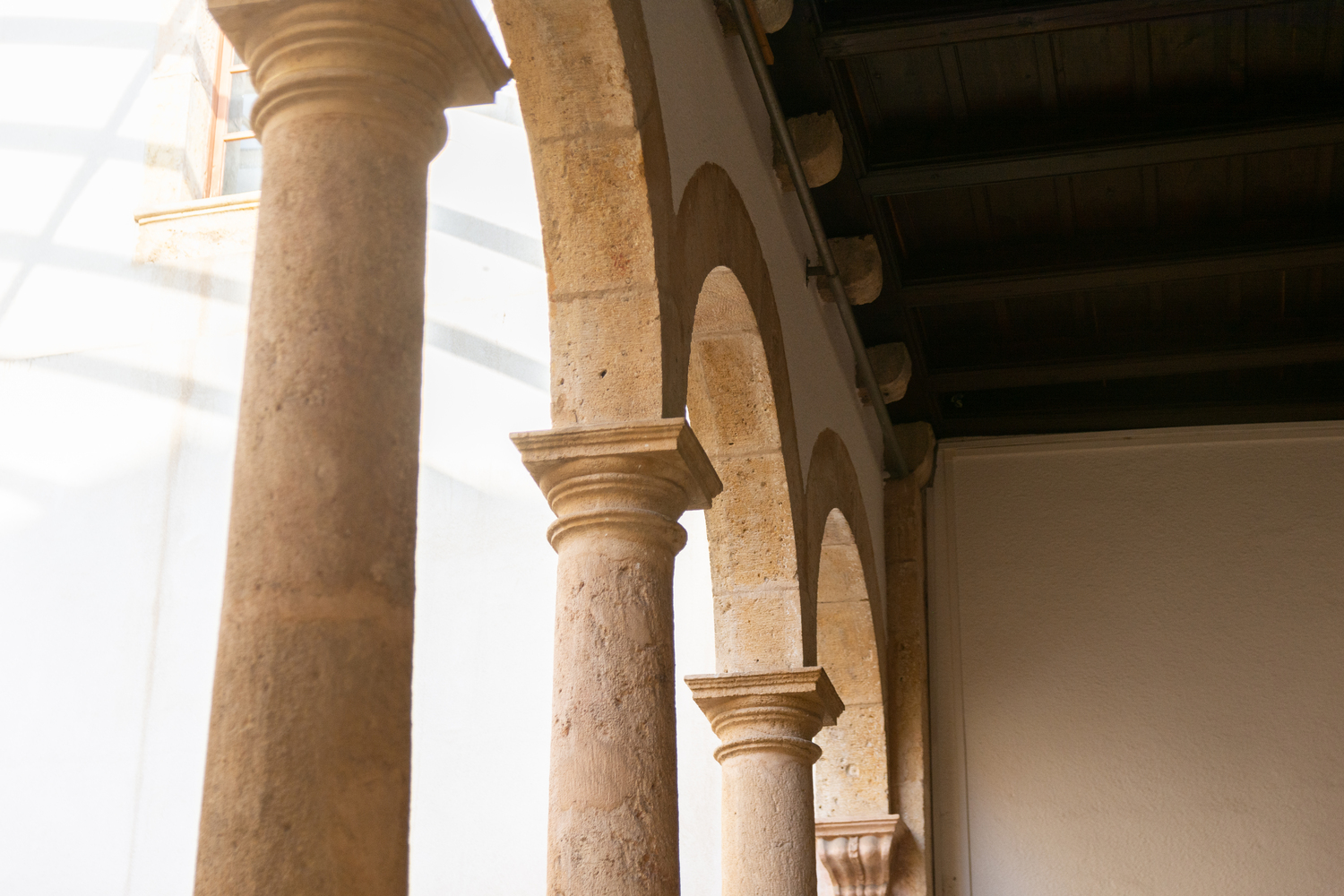
    <content:encoded xmlns:content="http://purl.org/rss/1.0/modules/content/"><![CDATA[<p><img src="https://www.tarragona.cat/fitxers/imatges-arqueoruta/antic-ajuntament/detall-galeria.jpg/image" title="Detall galeria" height="267" width="400" alt="" class="image-right" />From the mid-15th century until 1852, this building of medieval origin was the seat of municipal power in Tarragona. Among these walls is where the city has seen its political structures evolve for centuries. From here the people of Tarragona decided the management and fate of their city for almost four hundred years. One of the most outstanding events for the building, the institution it housed, and the city was the War of Spanish Succession and resulting the Nueva Planta decrees of 1716, when the old City Council — like all other institutions throughout the territories of the former Crown of Aragon — was suppressed and replaced by the institution of the ayuntamiento (ajuntament, in Catalan), a more limited and uniform local political structure created in the model of those already existing in Castile. The building is now known as the Former City Hall, as in 1852 the municipal government was moved to the Plaça de la Font.</p>

<p>On the ground floor of the Former City Hall, you can find the former prison and current tourist information office. On the main floor, you can find spaces dedicated to exhibitions and municipal offices. Access to the building is free and visitors can climb the staircase to admire the open spaces where the councillors must have gathered and marvelled upon the artesonado wooden ceilings that preside over the chambers.</p>

<p>You can find the Former City Hall and its tourist information office at Carrer Major, 41.</p>

<div class="accordion" id="accordionExample">
<div class="card">
<div class="card-header" id="headingOne">
<h2 class="p-0"><a aria-controls="collapseOne" data-target="#collapseOne" aria-expanded="false" href="https://www.tarragona.cat/patrimoni/museu-historia/visites/arqueorutes/places/old-town-hall/#collapseOne" data-toggle="collapse" class="btn btn-link collapsed d-flex justify-content-between">Do you know more? <i class="fas fa-angle-down rotate-icon align-self-start">&nbsp;</i> </a></h2>
</div>

<div aria-labelledby="headingOne" class="collapse" data-parent="#accordionExample" id="collapseOne">
<div class="card-body">
<p>The Former City Hall was originally a medieval residential building which was bought by the City Council and converted into its headquarters during the 15th century. What we see today from the exterior is a 19th century renovation. The building consists of a ground floor and two upper floors built around an inner courtyard, where the main staircase is located. Around the courtyard, on the first floor, are the main rooms and spaces of the building, where the city’s management was done. The main façade stands out for the symmetry of the window openings, the large cast iron balcony of the first floor and the ornamentation around the façade’s openings, as well as the detailed coats of arms of the city carved on the façade.</p>
</div>
</div>
</div>
</div>
]]></content:encoded>
    
    <dc:publisher>No publisher</dc:publisher>
    <dc:creator>Maria Jose Gomez Arroyo</dc:creator>
    <dc:rights></dc:rights>
    <dc:date>2022-07-01T06:55:00Z</dc:date>
    <dc:type>Location</dc:type>
  </item>


  <item rdf:about="https://www.tarragona.cat/patrimoni/museu-historia/visites/arqueorutes/places/osteria-del-lab">
    <title>3. Osteria del Lab</title>
    <link>https://www.tarragona.cat/patrimoni/museu-historia/visites/arqueorutes/places/osteria-del-lab</link>
    <description>Restaurant with archaeological remains belonging to the provincial forum representation square and with a network of gothic arches and medieval walls.</description>
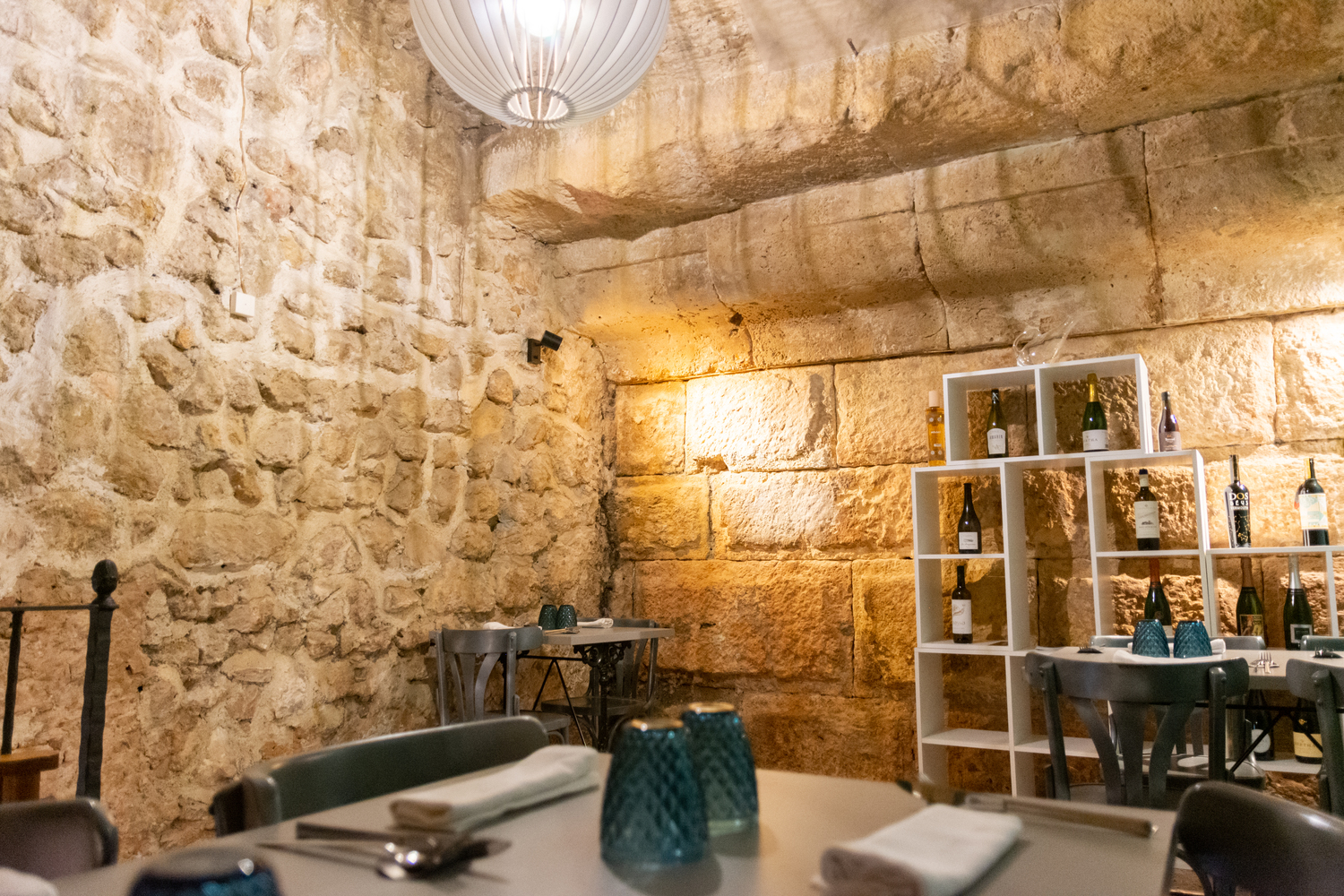
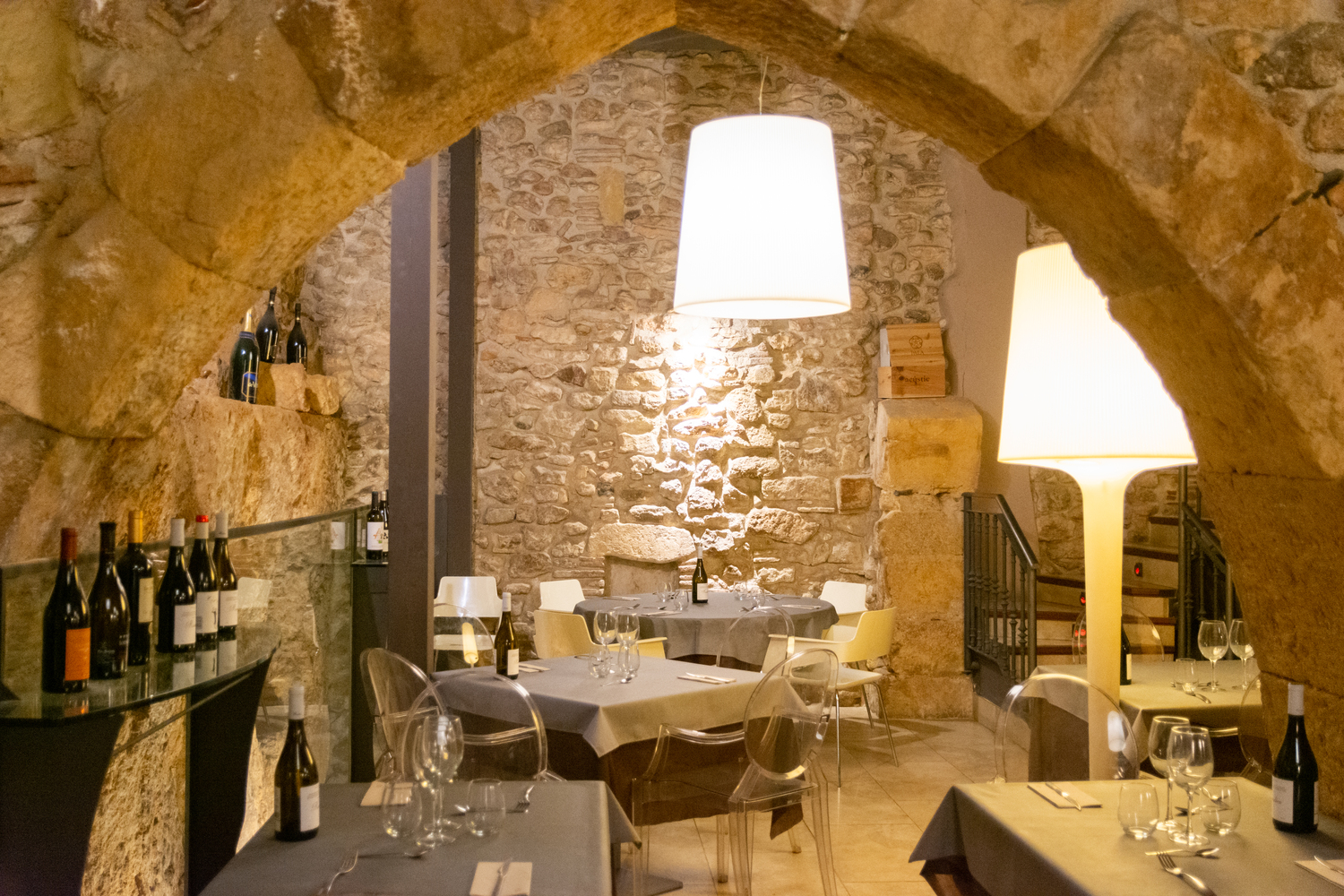
    <content:encoded xmlns:content="http://purl.org/rss/1.0/modules/content/"><![CDATA[<p><img src="https://www.tarragona.cat/fitxers/imatges-arqueoruta/osteria-del-lab/sala-lateral.jpg/image" title="Sala lateral" height="267" width="400" alt="" class="image-right" />When setting foot inside Osteria del Lab we are immediately transported to a world where the Medieval and Modern eras are perfectly intertwined. A plethora of pointed arches welcome us inside the restaurant. Some are higher and help support the ceiling, while others are lower and serve as space delimitations. These medieval architectural elements are seamlessly woven with a modern aesthetic through the use of visual contrasts such as leaving stone walls bare of any decorations while others are painted entirely in black, or the use of minimalistic dark straight-lined furniture as a contrast to the curvature and roughness of the walls and arches. Moreover, one section of the restaurant contains a piece of the structure of the provincial forum representation square. All in all, Osteria del Lab is a unique space where one can enjoy both culinary and historical fusions.</p>

<p>Osteria del Lab is at Carrer del Comte, 12.</p>

<div class="accordion" id="accordionExample">
<div class="card">
<div class="card-header" id="headingOne">
<h2 class="p-0"><a aria-controls="collapseOne" data-target="#collapseOne" aria-expanded="false" href="https://www.tarragona.cat/patrimoni/museu-historia/visites/arqueorutes/places/osteria-del-lab/#collapseOne" data-toggle="collapse" class="btn btn-link collapsed d-flex justify-content-between">Do you want to know more? <i class="fas fa-angle-down rotate-icon align-self-start">&nbsp;</i> </a></h2>
</div>

<div aria-labelledby="headingOne" class="collapse" data-parent="#accordionExample" id="collapseOne">
<div class="card-body">
<p>This is a medieval building constructed at the westernmost wall of the Roman provincial forum representation square. This location has left us with some rows in the opus quadratum style that were used as foundations upon which to build all the medieval houses on the western side of the street. The plethora of arches inside the restaurant are also of note, as they date from the time the house was first built, around the 13th or 14th centuries, and are in a very good state of preservation. Most of the original walls are also in good shape and have been left visible to the naked eye. Some pointed arches, though, have been filled and retrofitted as walls in order to subdivide the ground floor space differently, and this probably happened during the Early Modern era. Lastly, a flat arch dating from either the 16th or 17th centuries can be seen at the western end of the restaurant. Its opening was probably walled sometime in the 19th century, but it would originally have led to the rear area of the Convent of St. Dominic.</p>
</div>
</div>
</div>
</div>
]]></content:encoded>
    
    <dc:publisher>No publisher</dc:publisher>
    <dc:creator>Cinta Olivan Rigau</dc:creator>
    <dc:rights></dc:rights>
    <dc:date>2022-07-01T06:55:00Z</dc:date>
    <dc:type>Location</dc:type>
  </item>


</rdf:RDF>